In the fast-paced world of modern grooming, getting your hair styled quickly and efficiently in the morning is a game-changer. For anyone chasing sleek, smooth, and frizz-free locks, two primary styling tools dominate the market: the hair straightening brush and the traditional flat iron (hair straightener). Both tools promise to transform unruly hair into a polished look, but they do so in very different ways, with distinct results, heat exposure levels, and user experiences.
If you are standing in front of your mirror trying to decide which tool is worth your investment for daily styling, you are not alone. Choosing the wrong tool can lead to chronic heat damage, wasted time, or styling frustration. In this comprehensive guide, we will break down the differences between a hair straightening brush and a flat iron, analyze their pros and cons, evaluate their impact on hair health, and help you choose the ultimate tool for your hair type and daily routine.
Understanding the Contenders: How They Work
What is a Traditional Flat Iron?
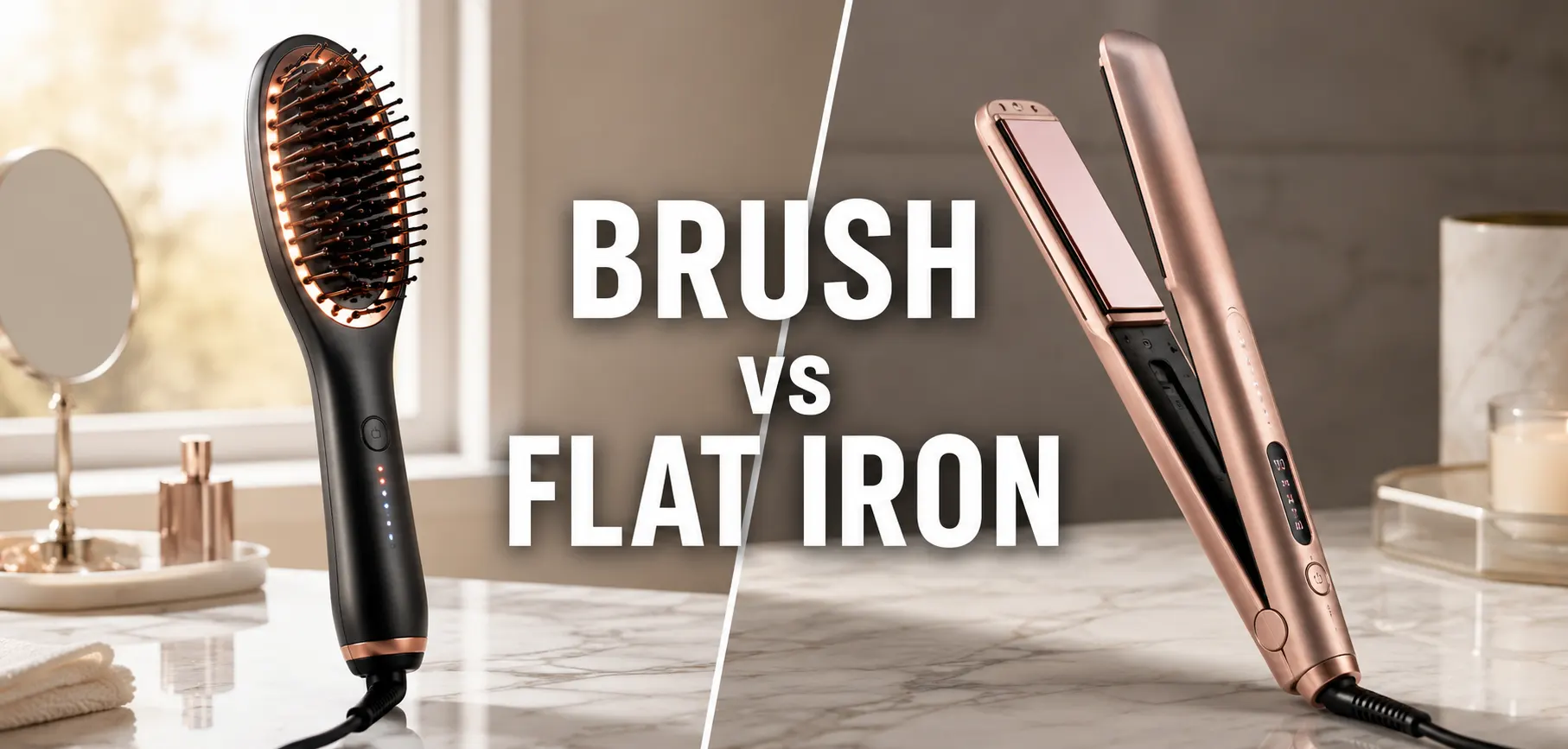
A traditional flat iron, such as the premium Sleekron FX Hair Straightener or the versatile Sleekron Bluebird Hair Straightener, features two heated plates (typically made of ceramic, titanium, or tourmaline) that clamp directly onto sections of hair. As you slide the iron down from roots to ends, it uses direct heat and pressure to break the hydrogen bonds in your hair structure, temporary forcing it into a pin-straight shape.
Because flat irons clamp the hair, they provide direct heat transfer to both sides of the strand, delivering maximum compression. This makes them highly effective for creating ultra-smooth, glass-like finishes and handling stubborn, coarse, or highly textured hair.
What is a Hair Straightening Brush?
A hair straightening brush looks like a standard paddle or thermal brush but features heated bristles or a heated base plate. Instead of clamping your hair, you simply brush through dry hair as you would with a normal comb. The heated elements warm the strands as they pass through the bristles, smoothing out waves and frizz without applying compression.
Straightening brushes rely on tension and contact with the heated bristles to smooth the hair. Because they do not clamp the hair, they distribute heat more gently and preserve natural volume, making them a popular choice for quick touch-ups and daily, casual styling.
Head-to-Head Comparison: The Key Differences
1. Speed and Convenience
When it comes to the morning rush, every minute counts. A hair straightening brush is the undisputed champion of speed. Because it behaves like a regular brush, you can work with larger sections of hair at once. For most women with medium-length hair, a straightening brush can deliver a neat, presentable look in 5 to 7 minutes.
In contrast, using a flat iron requires sectioning the hair precisely and running the plates slowly down each section. For thick or long hair, this process can easily take 15 to 30 minutes. If your primary goal is a fast, hassle-free morning routine, a straightening brush offers unparalleled convenience.
2. Styling Results and Versatility
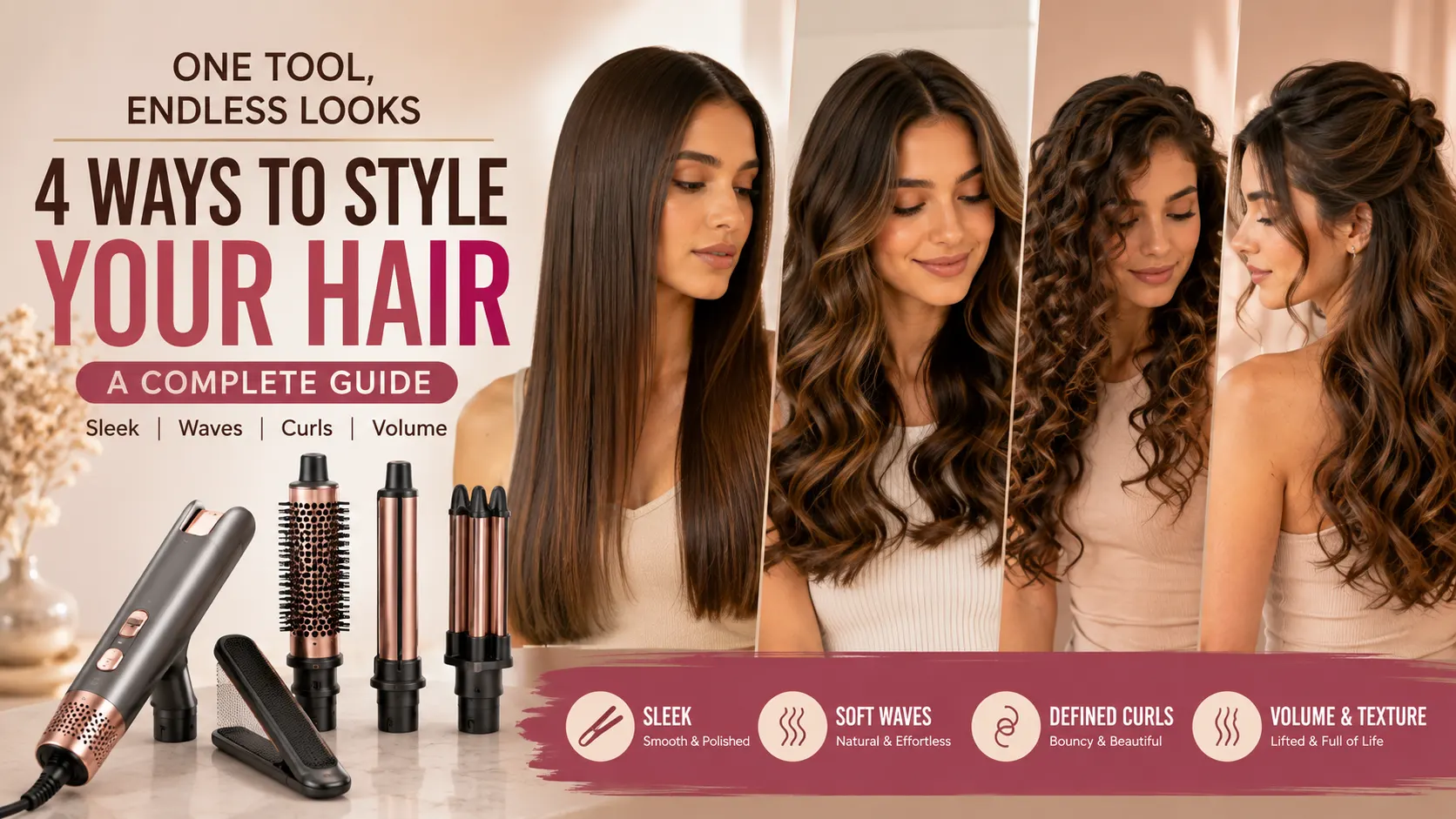
If you want that ultra-sleek, pin-straight, "glass hair" look, a straightening brush will fall short. Because a brush does not compress the hair, it leaves a natural-looking straightness with body and movement, but it cannot achieve the bone-straight finish that a flat iron can. Furthermore, a flat iron is a highly versatile tool; with the right technique, you can use it to create curls, beachy waves, and flipped ends. Tools like the Permperfect Multistyler 4-in-1 Hair Styler combine straightening, curling, and crimping functions, showcasing the vast versatility of plate-based tools. A straightening brush, on the other hand, can only straighten and volumize; it cannot curl or crimp.
3. Heat Damage and Hair Health
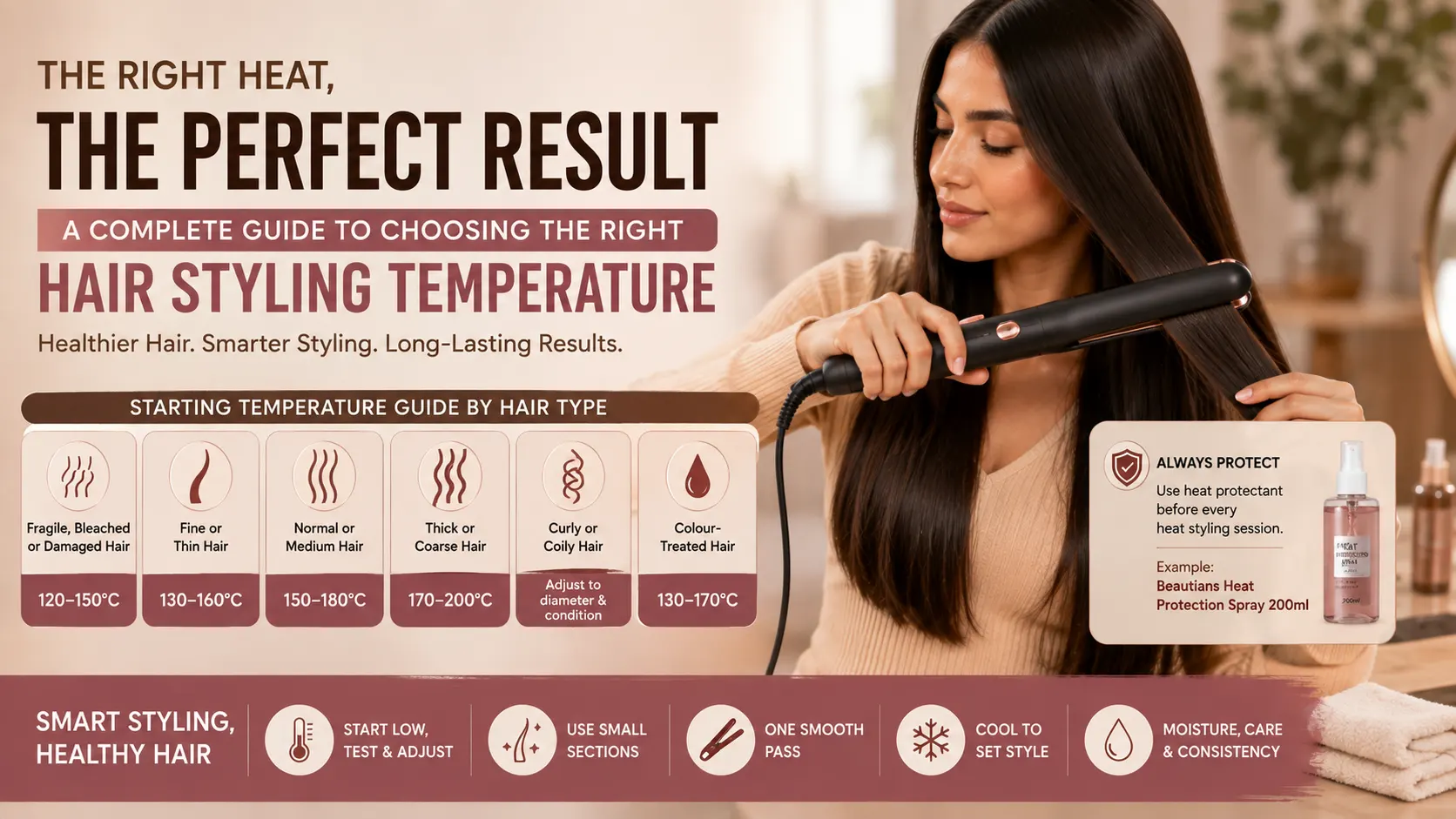
Daily styling raises serious concerns about hair health. Flat irons apply direct heat and pressure to both sides of the hair shaft, which increases the risk of heat damage, dry ends, and breakage if used incorrectly. A straightening brush is generally gentler because it does not clamp the hair, meaning there is less direct contact and no compression-based friction. However, regardless of the tool you choose, applying a thermal barrier is non-negotiable. Using the Beautians Heat Protection Spray 200ml before using either tool forms a protective barrier that seals in moisture and prevents keratin degradation.
4. Suitability for Hair Types
Your hair texture should be the deciding factor when choosing between these tools:
- Fine or Thin Hair: A straightening brush is excellent because it straightens while preserving natural root volume, preventing your hair from looking flat or limp.
- Thick, Coarse, or Curly Hair: A flat iron like the Sleekron FX is highly recommended. Thick hair requires the direct heat and compression of flat plates to lock in straightness. A brush may only smooth the outer layers, leaving the under-layers wavy and puffy.
- Damaged or Fragile Hair: A straightening brush at a low temperature is safer, though a flat iron with precise digital controls, like the Sleekron Bluebird, can also be used safely at lower heat levels.
Comparison Summary Table
| Feature | Hair Straightening Brush | Traditional Flat Iron |
|---|---|---|
| Styling Finish | Natural straight with volume | Ultra-sleek, pin-straight |
| Average Styling Time | 5–10 minutes | 15–30 minutes |
| Styling Versatility | Straightening only | Straight, curls, waves, flips |
| Frizz Control | Moderate to High | Very High (seals cuticles) |
| Heat Damage Risk | Lower (no clamping) | Higher (direct pressure) |
| Best Suited For | Fine hair, quick touch-ups | Thick, curly, coarse hair |
Professional Tips for Safe Daily Styling
Regardless of whether you choose a brush or a flat iron, follow these steps to keep your hair healthy:
- Ensure Hair is 100% Dry: Never style wet or damp hair. Styling wet hair causes water to flash-boil inside the shaft, leading to permanent bubble damage. Dry your hair first using a high-quality dryer like the Beautians Airsculpt Airfinite 1300W Hair Dryer.
- Apply Heat Protectant: Generously mist your hair with Beautians Heat Protection Spray 200ml before styling.
- Use the Right Temperature: Match the heat setting to your hair type. Fine hair should stay below 150°C, while thick hair can go up to 200°C.
- Section Your Hair: Even with a brush, dividing your hair into sections ensures even heat distribution and prevents you from running the tool over the same section multiple times.
Conclusion: Which One Should You Buy?
If you are looking for an easy, quick tool to tame daily frizz and create a polished, natural-looking style in under 10 minutes, the hair straightening brush is your best bet. It is gentle, fast, and preserves natural volume, making it perfect for busy mornings.
However, if you want complete styling versatility, professional-grade sleekness, and the ability to switch between pin-straight hair, bouncy curls, and beachy waves, a high-quality flat iron like the Sleekron FX or Sleekron Bluebird is indispensable. For those who want it all, a multi-styler like the Permperfect Multistyler offers the ultimate compromise. Invest in quality tools, protect your hair, and enjoy salon-worthy styles every day!