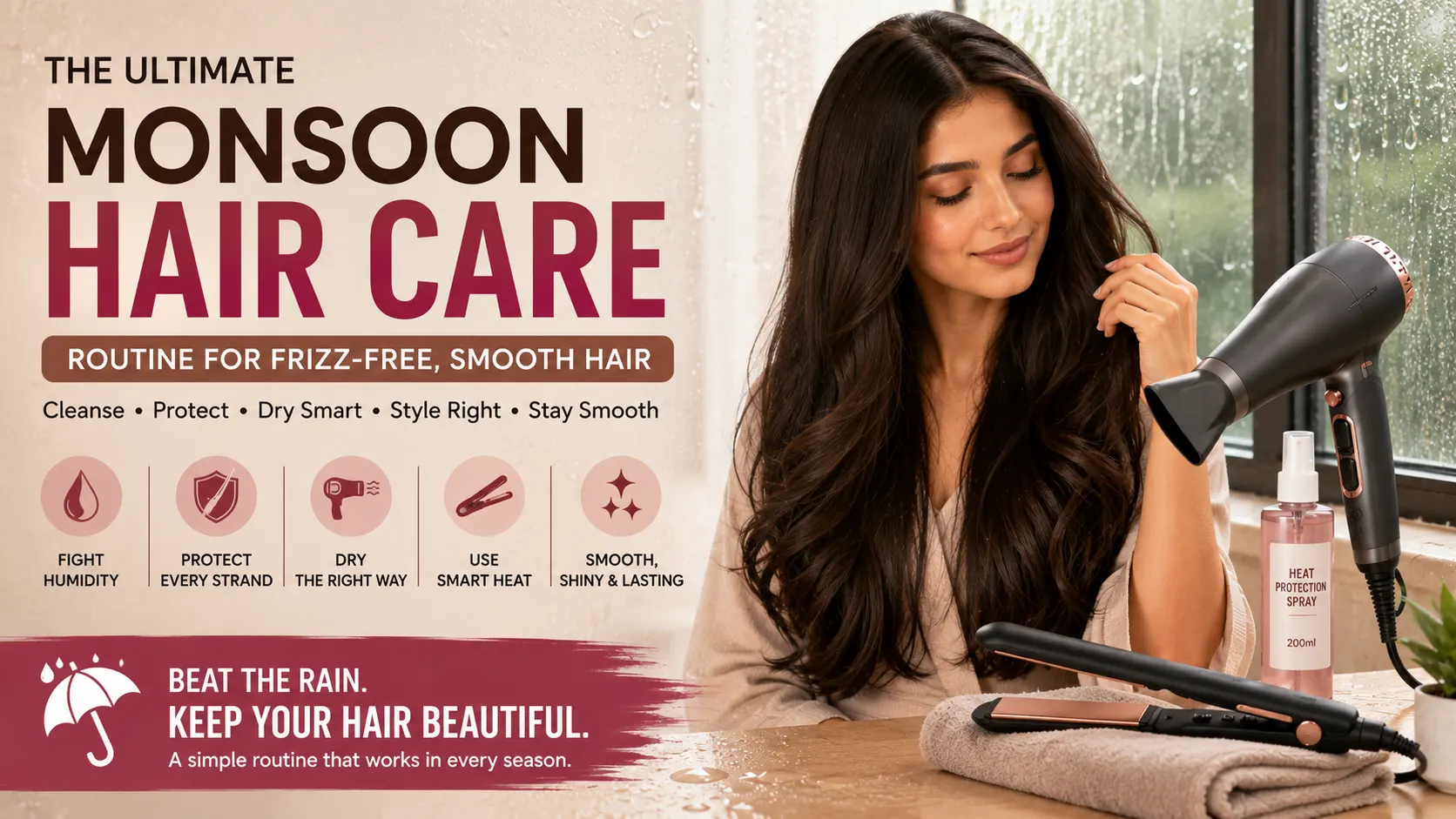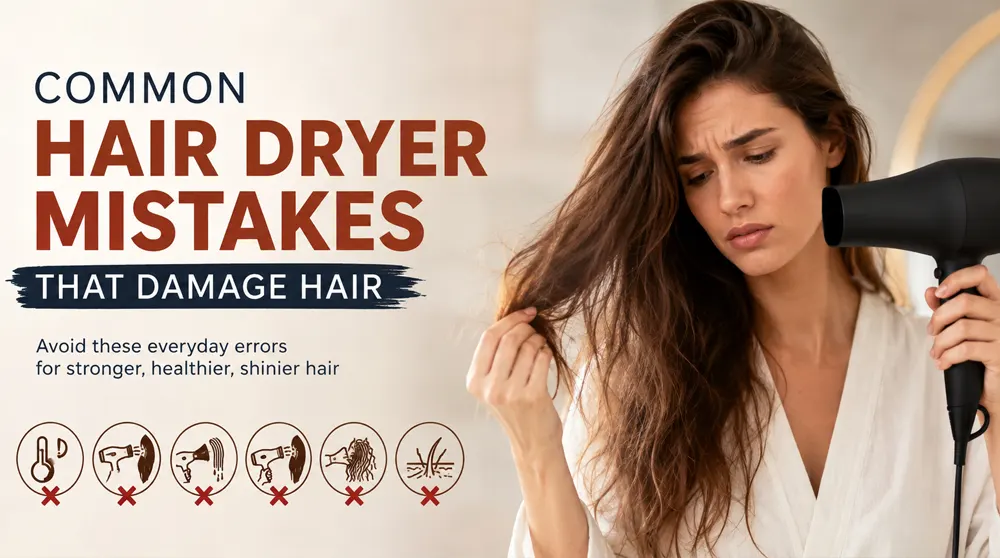
A hair dryer is one of the most commonly used styling tools in homes and salons. It helps dry hair quickly, create volume, smooth frizz, and achieve professional-looking hairstyles. However, improper use of a hair dryer can lead to dryness, split ends, breakage, dullness, and long-term hair damage. Many people unknowingly make mistakes while drying their hair, causing more harm than good.
The good news is that most hair dryer-related damage is preventable. By understanding the common mistakes and learning proper drying techniques, you can keep your hair healthy, shiny, and strong while still enjoying the convenience of a hair dryer.
Using the Highest Heat Setting Every Time
One of the biggest mistakes people make is using the maximum heat setting regardless of their hair type. While high heat may dry hair faster, it can strip away natural moisture and weaken the hair shaft.
Fine, thin, chemically treated, or damaged hair is particularly vulnerable to excessive heat exposure. Repeated use of very high temperatures can cause the hair cuticle to lift, making hair rough, brittle, and prone to breakage.
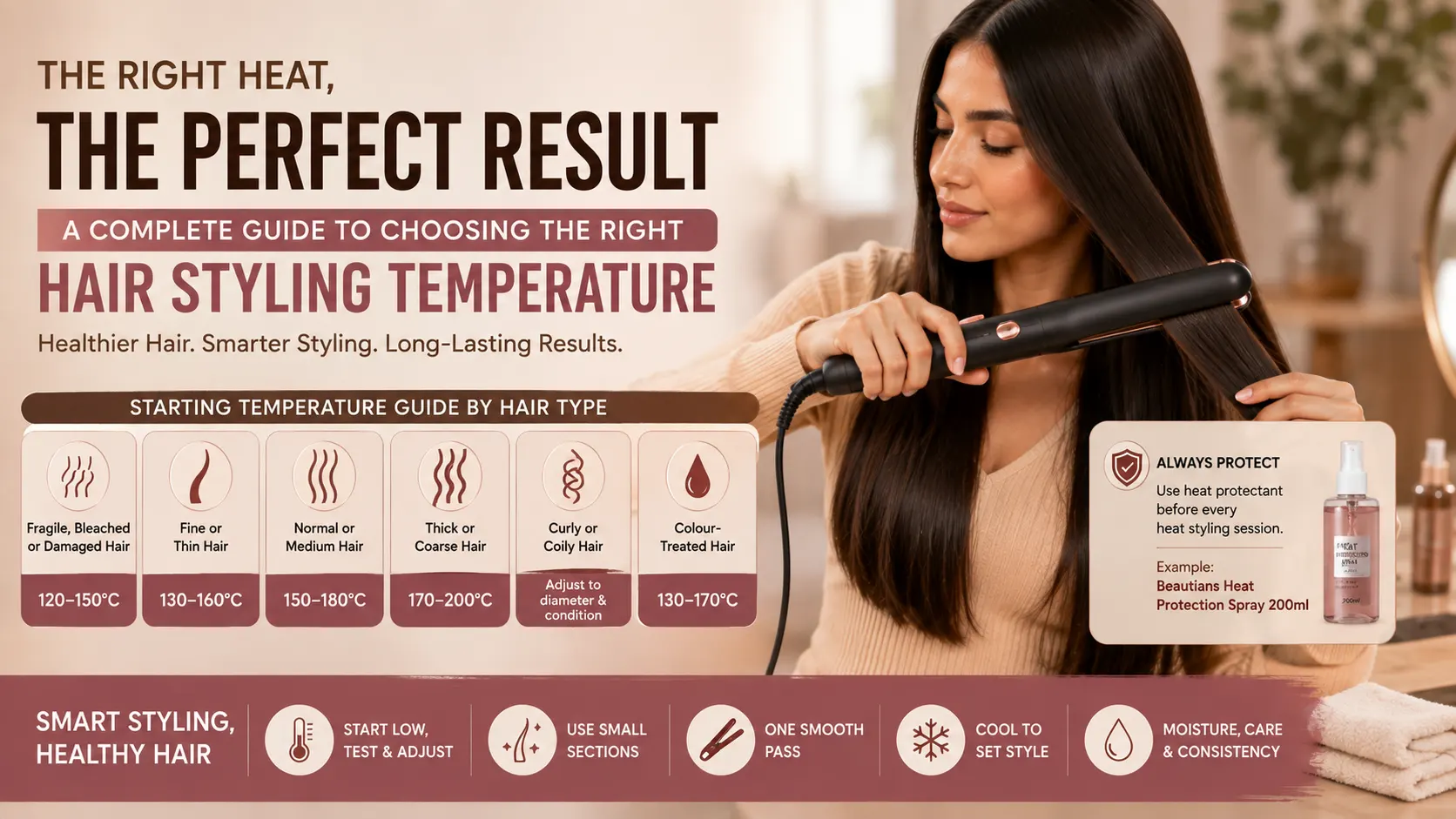
Instead, choose a heat setting appropriate for your hair type:
-
Low heat for fine or damaged hair
-
Medium heat for normal hair
-
High heat only when necessary for thick or coarse hair
Modern hair dryers often include multiple heat settings designed to accommodate different hair textures and conditions.
Drying Hair When It Is Soaking Wet
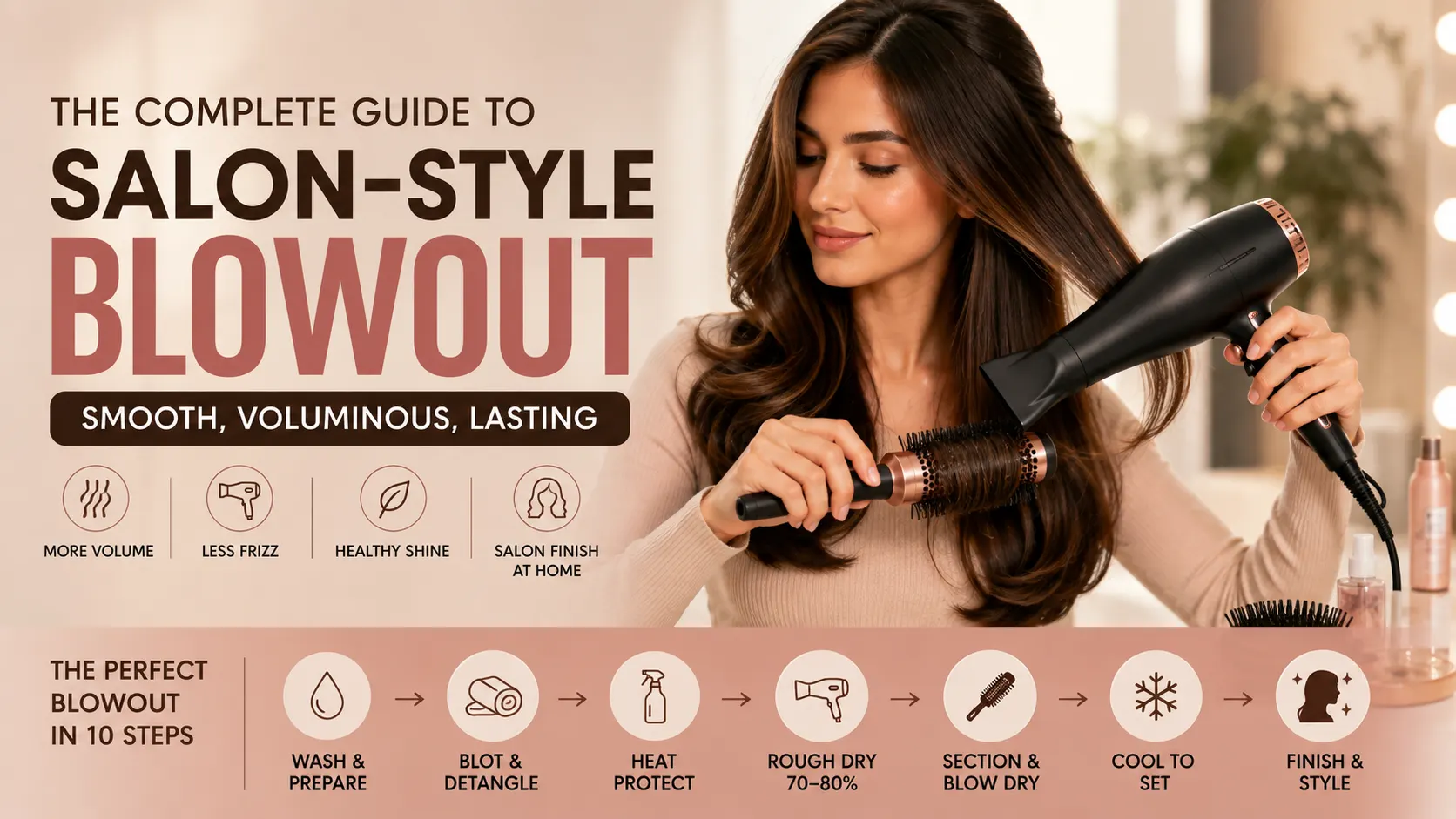
Many people step out of the shower and immediately begin blow-drying dripping wet hair. This forces the dryer to work harder and exposes hair to heat for a much longer period.
Before using a hair dryer, gently remove excess water using a soft microfiber towel or cotton T-shirt. Avoid aggressive rubbing, which can create friction and damage the hair cuticle.
Allow your hair to air dry partially until it is approximately 60–70% dry before using a hair dryer. This reduces drying time and minimizes heat exposure.
Skipping Heat Protection Products
Heat protectants are not just marketing products; they serve an important role in reducing heat-related damage. These products create a protective barrier between the hair and the heat source.
Many people skip this step because they believe occasional blow-drying will not cause harm. However, repeated exposure to hot air without protection can gradually weaken hair fibers.
Before drying, apply a quality heat protection spray, cream, or serum evenly throughout the hair. This simple step can help maintain moisture levels and reduce the risk of split ends and breakage.
Holding the Dryer Too Close
Another common mistake is placing the dryer extremely close to the hair. Some users hold the nozzle only a few centimeters away in an attempt to speed up drying.
When concentrated heat is directed at one area for too long, the hair cuticle can become damaged. In severe cases, excessive heat can even cause hair to become brittle and break.
Maintain a distance of approximately 6 to 8 inches between the dryer and your hair. This allows heat to distribute more evenly while still drying efficiently.
Staying Too Long on One Section
Keeping the dryer focused on one spot for an extended period is similar to placing hair under a heat lamp. The concentrated heat can weaken the hair shaft and increase dryness.
Instead, keep the dryer moving continuously. Work section by section while maintaining consistent airflow across the hair.
Professional stylists rarely allow heat to remain fixed in one place because even healthy hair can become damaged through prolonged exposure.
Ignoring the Cool Shot Button
Many people never use the cool shot feature on their hair dryer. As a result, they miss one of the easiest ways to improve hair appearance and reduce frizz.
After styling with heat, finishing with cool air helps close the hair cuticle. This can:
-
Improve shine
-
Reduce frizz
-
Help maintain hairstyles longer
-
Create a smoother appearance
Using cool air for the final minute of drying is a simple habit that can make a noticeable difference.
Using an Old or Poor-Quality Hair Dryer
Not all hair dryers are created equal. Older models may produce uneven heat, lack temperature controls, and provide poor airflow.
A low-quality dryer can expose hair to excessive temperatures without delivering efficient drying performance. This often results in longer drying sessions and increased damage.
Modern ceramic, ionic, and tourmaline hair dryers are designed to distribute heat more evenly and reduce moisture loss. Investing in a quality dryer can contribute significantly to healthier hair.
Drying Hair Upside Down Excessively
Drying hair upside down can add volume and lift at the roots. However, constantly flipping hair and directing hot air in multiple directions may create tangles and increase frizz.
When drying upside down, avoid aggressive movement and use moderate heat settings. Once volume has been achieved, switch to a more controlled drying technique to smooth the hair.
Brushing Wet Hair Aggressively While Drying
Wet hair is more elastic and vulnerable to breakage. Pulling aggressively with a brush while applying heat can place excessive stress on the hair shaft.
Many people try to force knots out while drying, which can lead to hair loss and split ends.
Use a wide-tooth comb or a brush specifically designed for wet hair before blow-drying. Detangle gently from the ends upward to reduce stress on the hair.
Not Cleaning the Air Filter
Hair dryers contain air intake filters that can become clogged with dust, lint, and hair over time.
A blocked filter restricts airflow, causing the dryer to work harder and generate excess heat. This not only affects performance but may also increase the risk of hair damage.
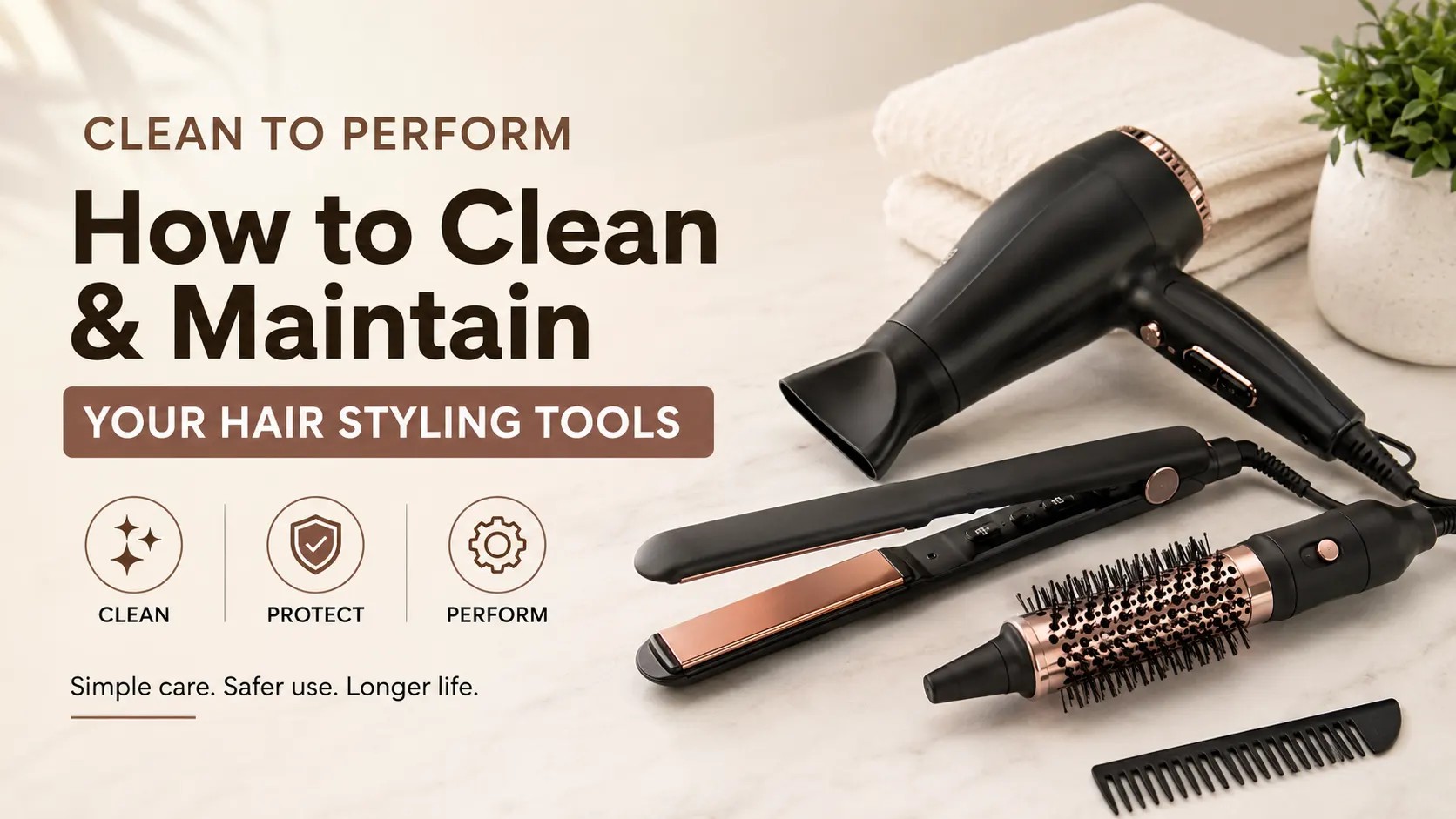
Check the manufacturer's instructions and clean the filter regularly. A clean filter improves airflow efficiency and helps maintain consistent drying temperatures.
Using the Wrong Attachment
Many users remove attachments and never use them. However, these accessories are designed to improve styling results and protect hair.
Common attachments include:
Concentrator Nozzle
Directs airflow precisely for smoother styling and controlled drying.
Diffuser
Ideal for curly or wavy hair. It distributes air gently, helping preserve natural curl patterns and reduce frizz.
Using the appropriate attachment can improve styling outcomes while reducing unnecessary heat exposure.
Drying Hair Against the Cuticle Direction
The outer layer of hair, known as the cuticle, resembles overlapping scales. Drying hair in the wrong direction can lift these scales and create a rough texture.
For smoother results, direct airflow from roots toward the ends. This helps keep the cuticle flatter, enhancing shine and reducing frizz.
Professional stylists consistently follow this technique to achieve polished finishes.
Overusing the Hair Dryer Daily
Even when using proper techniques, daily heat styling can eventually affect hair health.
Repeated exposure to heat may reduce moisture levels and increase vulnerability to breakage. If possible, allow hair to air dry occasionally or alternate between heat styling and natural drying days.
Giving hair regular breaks from heat allows it to maintain better moisture balance and overall strength.
Forgetting to Adjust Settings for Hair Type
Different hair types require different drying approaches.
Fine hair generally needs lower temperatures, while thick or coarse hair may require more heat and airflow. Color-treated, bleached, or chemically processed hair often benefits from gentle heat settings and extra protection.
Using the same settings for every hair type can lead to unnecessary damage.
Learning your hair's specific needs is one of the most effective ways to improve hair health.
Using a Hair Dryer in Humid Environments
Drying hair in a steamy bathroom can make the process less effective. High humidity causes moisture to remain in the air, increasing drying time and encouraging frizz.
If possible, move to a well-ventilated room after showering. This allows the dryer to work more efficiently and helps achieve smoother results.
Rushing the Drying Process
Many people treat hair drying as a task to finish as quickly as possible. Excessive heat, rough brushing, and aggressive handling often result from this rushed approach.
Taking a few extra minutes to dry hair carefully can significantly improve both appearance and long-term health.
Gentle handling, moderate temperatures, and proper technique typically deliver better results than maximum heat and speed.
Tips for Healthier Blow-Drying
To minimize damage and maintain healthy-looking hair:
-
Use a heat protectant before drying
-
Towel dry gently before using a dryer
-
Keep the dryer moving continuously
-
Maintain a safe distance from hair
-
Choose appropriate heat settings
-
Use attachments designed for your hair type
-
Finish with cool air
-
Clean dryer filters regularly
-
Avoid excessive daily heat styling
-
Invest in a quality hair dryer
Final Thoughts
Hair dryers are valuable styling tools when used correctly, but improper techniques can gradually damage hair over time. Common mistakes such as excessive heat, skipping heat protection, holding the dryer too close, and drying soaking-wet hair can contribute to dryness, breakage, and frizz.
Fortunately, a few simple changes in your hair care routine can make a significant difference. Choosing the right dryer, using proper settings, and adopting healthier drying habits can help preserve moisture, maintain shine, and protect hair from unnecessary damage.
By understanding and avoiding these common hair dryer mistakes, you can enjoy faster drying, better styling results, and healthier hair for years to come.