About Us
At Beautians, we believe in empowering everyone to express their unique beauty with confidence.
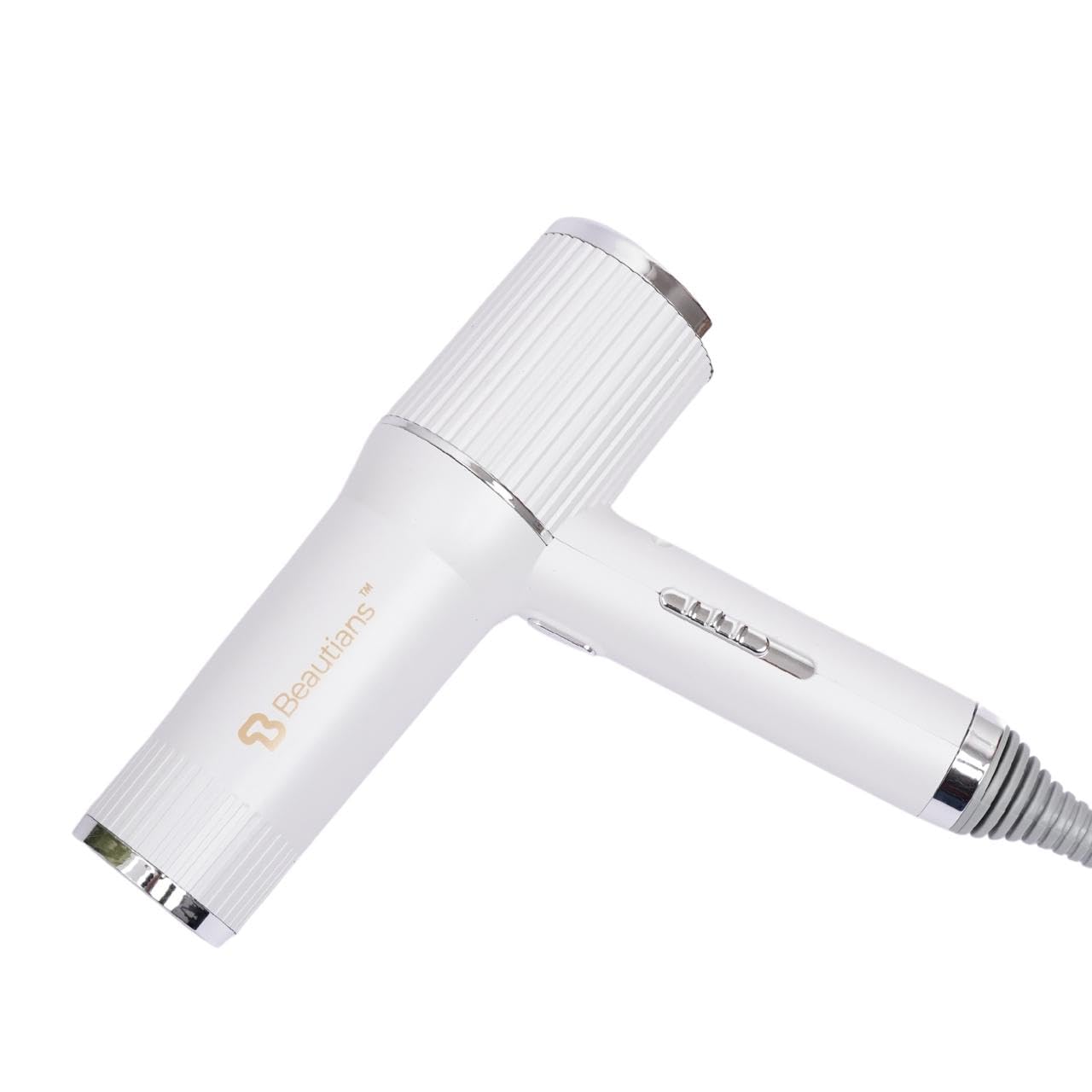
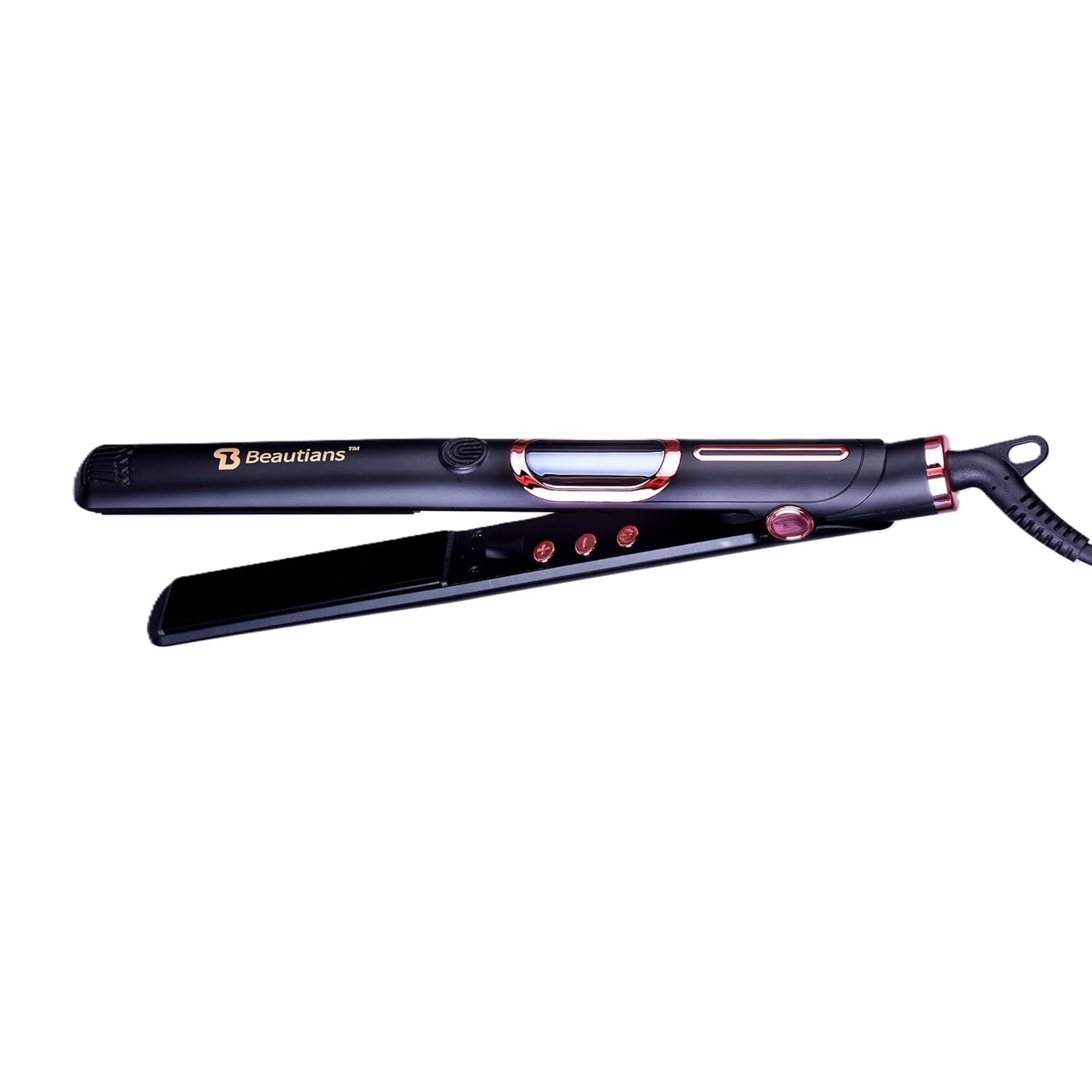
As a leading brand in the hair styling industry, we offer a curated selection of professional-grade hair styling tools, including hair straighteners, crimping irons, hair dryers, and a wide range of styling accessories.
About Us
Fix These 4 Common Winter Hair Woes
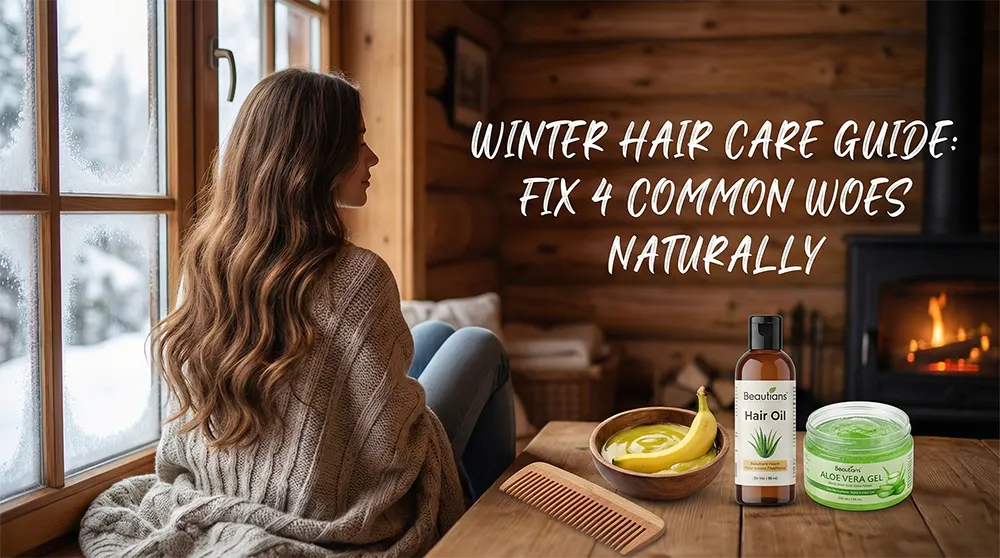
Winters can be especially hard on your hair. The cold air outside, dry indoor heating, and lack of moisture in the environment often strip your hair and scalp of natural oils. As a result, many people experience frizz, dryness, dandruff, itchiness, and static during the colder months.
But winter hair problems don’t have to be inevitable. With the right care, nourishing ingredients, and mindful habits, you can keep your hair healthy, soft, and manageable all season long. At Beautians, we believe that small, consistent changes in your hair care routine can make a big difference—especially in winter.
Let’s take a closer look at four common winter hair woes and how you can fix them naturally and effectively.
1. Prevent Frizzy Hair
Frizz is one of the most common winter hair complaints. Dry air pulls moisture out of your hair cuticles, making strands rough, dull, and unmanageable.
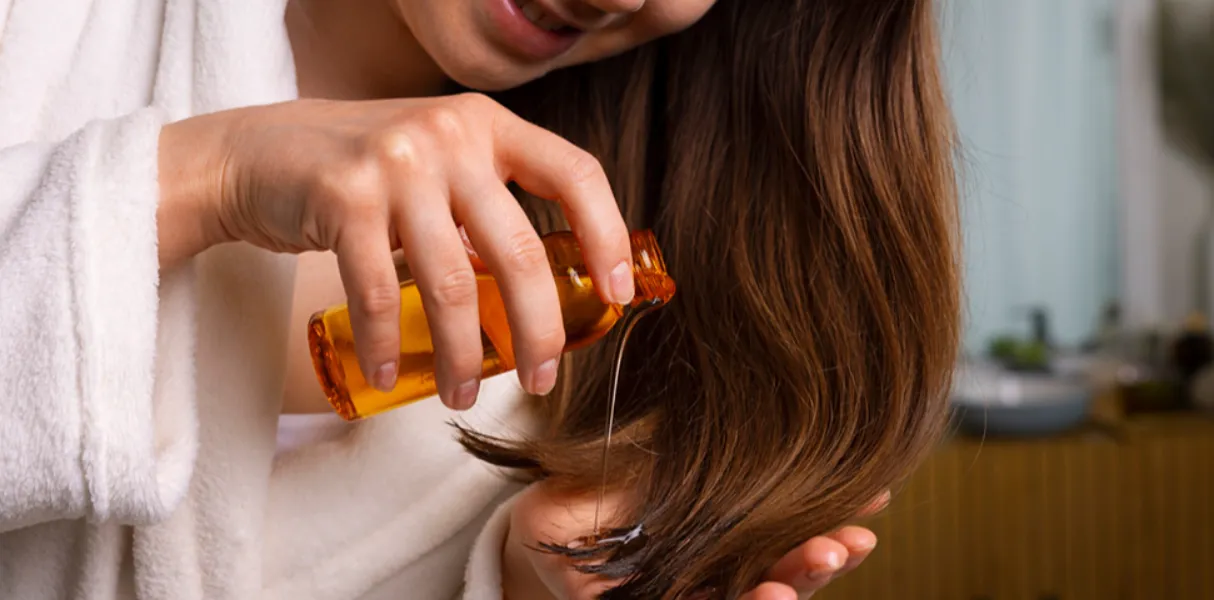
One of the simplest and most effective ways to combat frizz is a regular oil massage. Lukewarm oil massages done twice a week help restore moisture, improve blood circulation, and strengthen hair from the roots. For best results, massage gently into your scalp and hair lengths, and leave it on overnight before washing.
You can also nourish your hair with a homemade banana hair mask, which deeply hydrates dry strands.
How to make it:
Mash one ripe banana
Add 2 tablespoons of olive oil
Mix well until it forms a smooth paste
Apply to your hair, focusing on the ends
Leave it on for 20 minutes, then wash and condition as usual
Another important tip is to avoid excessive heat styling. Let your hair air-dry whenever possible. Hot air from hair dryers removes moisture from the hair cuticle, leading to increased dryness and frizz.
2. Treat Dry Scalp
A dry, flaky scalp is a common winter concern caused by dehydration and reduced oil production. Ignoring it can lead to irritation, itchiness, and even hair fall.
Look for hair care routines that focus on deep scalp nourishment. Ingredients like aloe vera, honey, hibiscus, onion oil, and olive oil are known for their moisturizing and soothing properties. These ingredients help restore the scalp’s natural balance, reduce dryness, and support healthy hair growth.
A weekly scalp massage and gentle cleansing routine can go a long way in keeping your scalp comfortable and hydrated throughout winter.
3. Get Rid of Dandruff & Itchiness
Winter dandruff is often triggered by dryness, fungal buildup, and poor scalp circulation. Fortunately, natural solutions can be very effective.
Apple cider vinegar and tea tree oil are known for their anti-fungal and anti-bacterial properties, which help calm an itchy scalp and reduce dandruff.
How to use apple cider vinegar:
Dilute it with warm water
Use it as a final rinse after shampooing
How to use tea tree oil:
Add 2–5 drops to a mild shampoo
Or mix it with a carrier oil and massage into the scalp
These remedies help cleanse the scalp, maintain its pH balance, and reduce flakes when used consistently.
4. Avoid Static Hair
Static hair is a winter nuisance caused by dry air and friction from woolen clothes. While it doesn’t damage hair, it can ruin your hairstyle and make hair difficult to manage.
Using a few drops of jojoba or coconut oil as a leave-in conditioner can help control static. Rub a small amount between your palms and lightly smooth it over your strands.
Also, avoid plastic combs, which increase static. Instead, use a wooden comb with wide teeth to reduce friction and breakage.
Winter Hair Care: Frequently Asked Questions
Q1. How often should I oil my hair in winter?
Oil your hair 1–2 times a week. Over-oiling can weigh hair down, while regular light oiling keeps it nourished.
Q2. Can I wash my hair daily during winter?
Daily washing is not recommended. Washing 2–3 times a week helps retain natural oils and prevents dryness.
Q3. Is air-drying better than blow-drying in winter?
Yes. Air-drying is gentler and helps retain moisture. If you must blow-dry, use low heat.
Q4. What causes increased dandruff in winter?
Cold weather, dry air, and reduced scalp hydration contribute to dandruff during winter.
Q5. How can I protect my hair when stepping out in cold weather?
Cover your hair with a soft scarf or cap made from breathable fabric to protect it from harsh winds.
With the right care and nourishing habits, winter can be a great season for healthy hair. Follow these tips, stay consistent, and let Beautians be your trusted companion on your journey to beautiful, well-cared-for hair all year round ???
-
 September 13, 2024 The Ultimate Guide to Sleeping with Long Hair: Tips to Prevent Breakage
 -
 September 13, 2024 Unlock the Secrets: 6 Benefits of Almond Oil for Gorgeous Hair
 -
 January 11, 2025 The Right Way to Oil Your Hair: Tips for Optimal Hair Health
 -
 February 18, 2025 5 Natural Ways to Increase Hair Volume
 -
 March 10, 2025 5 DIY Hair Masks for Dry Hair