About Us
At Beautians, we believe in empowering everyone to express their unique beauty with confidence.
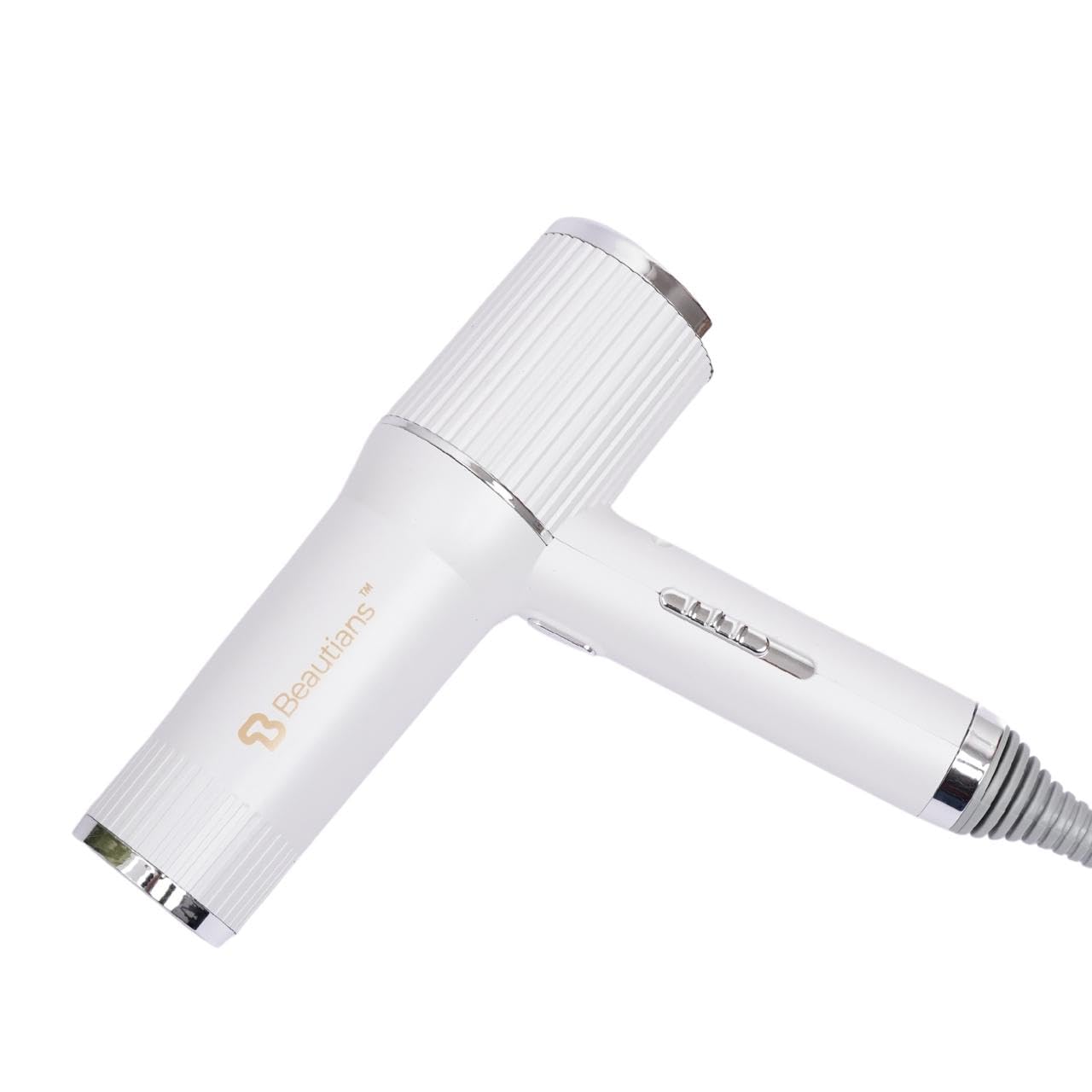
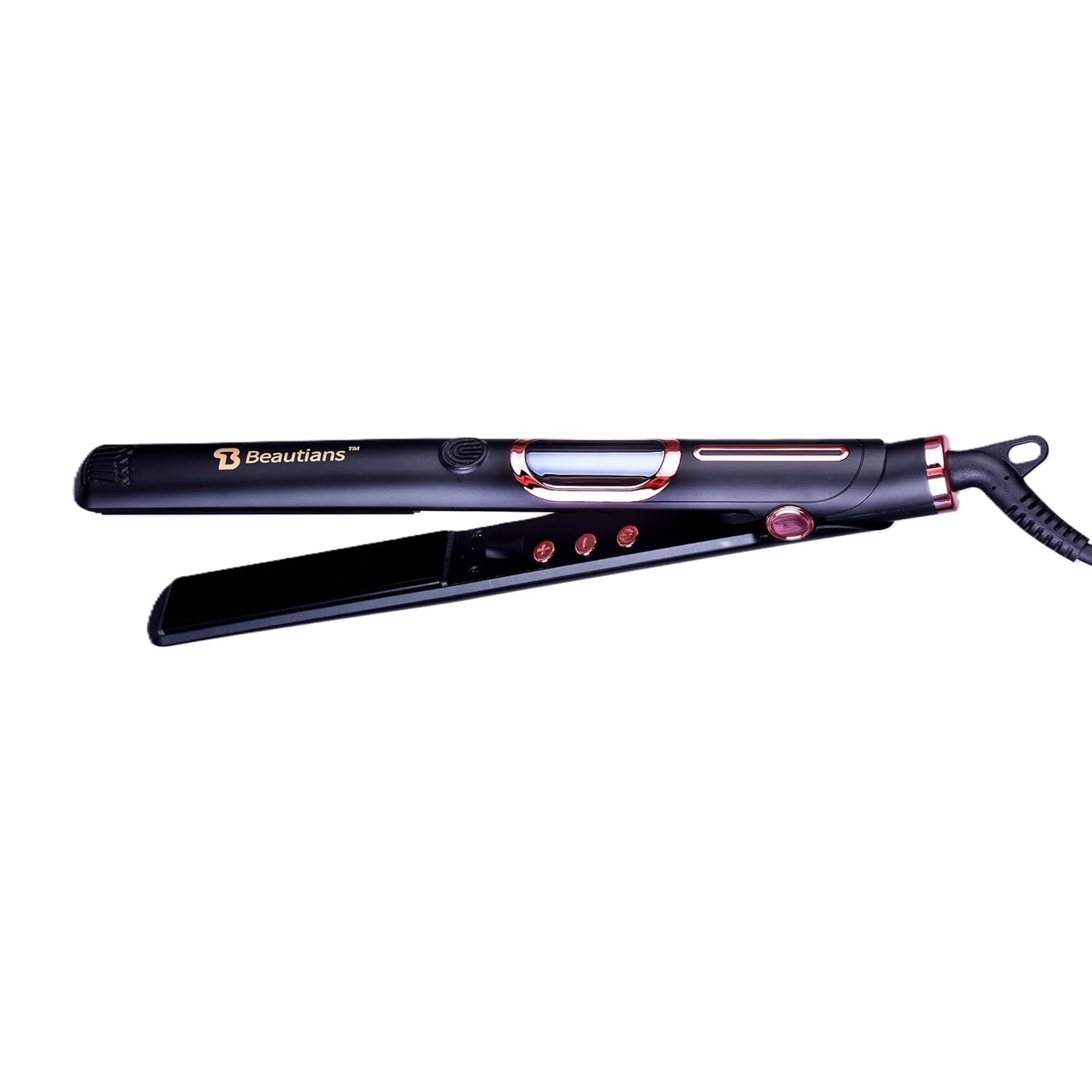
As a leading brand in the hair styling industry, we offer a curated selection of professional-grade hair styling tools, including hair straighteners, crimping irons, hair dryers, and a wide range of styling accessories.
About Us
How to Know if Your Hair is Damaged: 6 Key Signs You Should Never Ignore
Not all signs of hair damage are visible—and catching them early can make a huge difference.
Your hair constantly communicates its condition, and understanding these signals is the first step toward maintaining stronger, shinier, and healthier strands.
Daily habits like brushing, heat styling, stepping out in harsh sunlight, pollution exposure, or even the effects of hard water can weaken your hair long before you see obvious damage.
The good news? With awareness and the right care, you can interrupt the cycle, restore health, and prevent future damage.
Index
What Does Damaged Hair Look Like?
How Does Damaged Hair Feel?
How to Identify Heat Damage
Can Damaged Hair Be Repaired?
What Does Damaged Hair Look Like?
When your hair begins to show signs of damage, attentive care becomes essential. Start by recognizing these six key indicators that your strands need extra nourishment:
1. Your Hair Feels Dry or Brittle
A dry, straw-like texture is often the first sign of damage. Heat styling, chemical treatments, sun exposure, and even genetics can lead to moisture loss, making hair appear dull and fragile.
2. Your Hair Gets Tangled Often
Some tangling is normal, but if detangling becomes a challenge every day, it may signal dryness or weakened cuticles. Damaged or fine hair tends to knot easily and requires gentle handling and hydration.
3. Your Hair Looks Dull or Discolored
Pollution, UV rays, hard water, excessive oil, or product buildup can strip away shine. When the cuticle layer is disturbed, hair loses its natural radiance and may appear uneven in tone.
4. Your Hair Is Frizzy
Frizz is not just a styling issue—it often indicates that the hair cuticle isn’t sealed properly. This allows internal moisture to escape, leading to rough, frizzy strands. Restoring smoothness starts with strengthening the hair’s structure.
5. Your Hair Has Split Ends
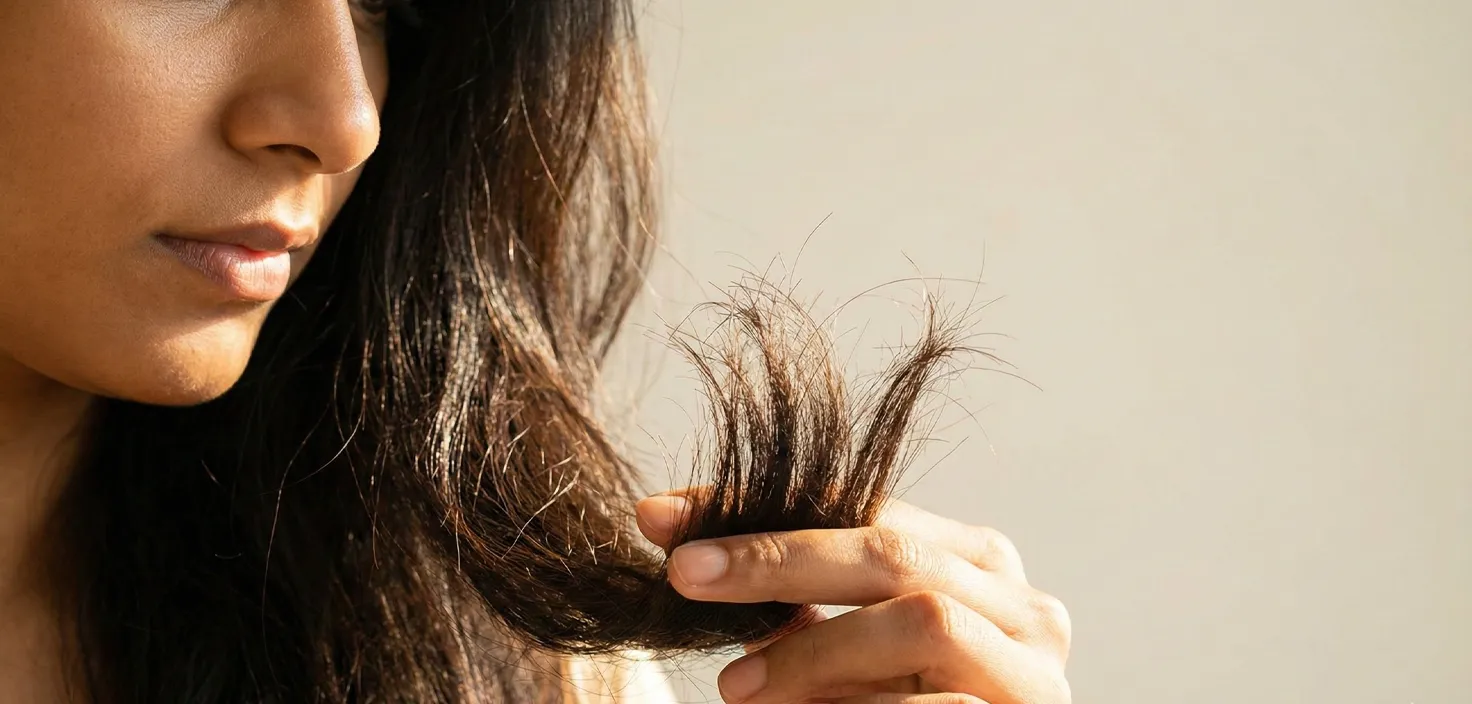
Split ends typically show up in the mid-lengths and ends, where hair is most exposed to wear and tear. If you’re noticing splits or thinning ends, it’s time for regular trims and nourishing treatments.
6. Your Hair Is Breaking or Shedding More Than Usual
While some daily shedding is normal, excess breakage—especially during styling or combing—is a sign your hair is stressed. Heat, harsh chemicals, and tight hairstyles can all contribute.
How Does Damaged Hair Feel?
Texture reveals a lot about your hair’s health.
Damaged hair often feels:
Dry or rough
Coarse instead of smooth
Brittle or weak
Easily breakable when stretched
Healthy hair has natural elasticity, but damaged strands tend to snap quickly under tension. If your hair doesn’t glide smoothly through your fingers, it may be crying out for hydration and repair.
How to Know If Your Hair Is Heat Damaged
Heat damage often begins subtly.
Here are early signs to watch for:
Your natural curls or waves stop bouncing back.
Hair appears limp or loses definition.
There’s a noticeable increase in dryness or brittleness.
The texture feels uneven or “fried,” especially after straightening or blow-drying.
Using styling tools above 150°C (300°F) frequently can weaken the hair’s internal structure. Heat protectants, lower temperature settings, and limiting heat use can help prevent further damage.
Can Damaged Hair Be Repaired?
While you can’t undo damage completely, you can improve the look, feel, and strength of your hair with consistent care.
What Helps Restore Damaged Hair?
Deep-conditioning treatments: Rebuild softness and moisture.
Hair oils and serums: Seal nourishment and reduce frizz.
Heat protection: Essential if you use styling tools.
Regular trims: Prevent split ends from traveling upward.
Scalp care: A healthy scalp supports stronger hair growth.
Balanced diet: Nutrients like biotin, iron, and omega-3s promote healthier strands.
A weekly masking routine and monthly clarifying wash (especially in hard-water areas) can make a visible difference.
Final Thoughts
Hair damage is extremely common—especially in India, where weather, pollution, and hard water all contribute. But the good news is that with the right routine, damaged hair can regain its strength, shine, and smoothness.
Recognize the signs early. Give your hair the care it deserves.
Your healthiest, most beautiful hair is absolutely within reach.
-
 September 13, 2024 The Ultimate Guide to Sleeping with Long Hair: Tips to Prevent Breakage
 -
 September 13, 2024 Unlock the Secrets: 6 Benefits of Almond Oil for Gorgeous Hair
 -
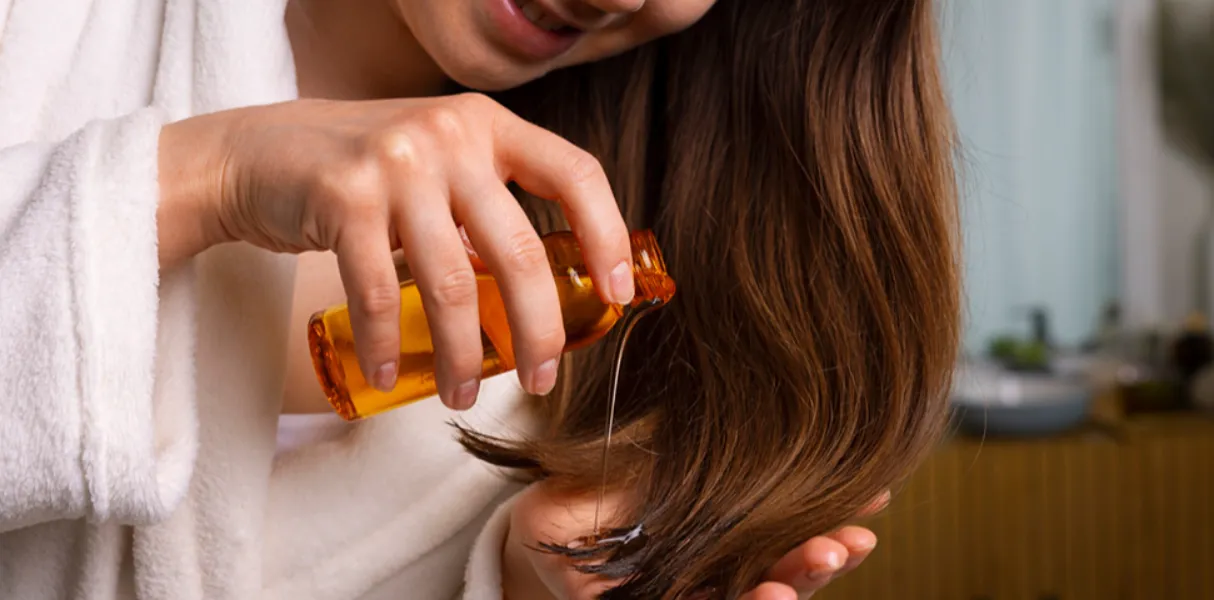 January 11, 2025 The Right Way to Oil Your Hair: Tips for Optimal Hair Health
 -
 February 18, 2025 5 Natural Ways to Increase Hair Volume
 -
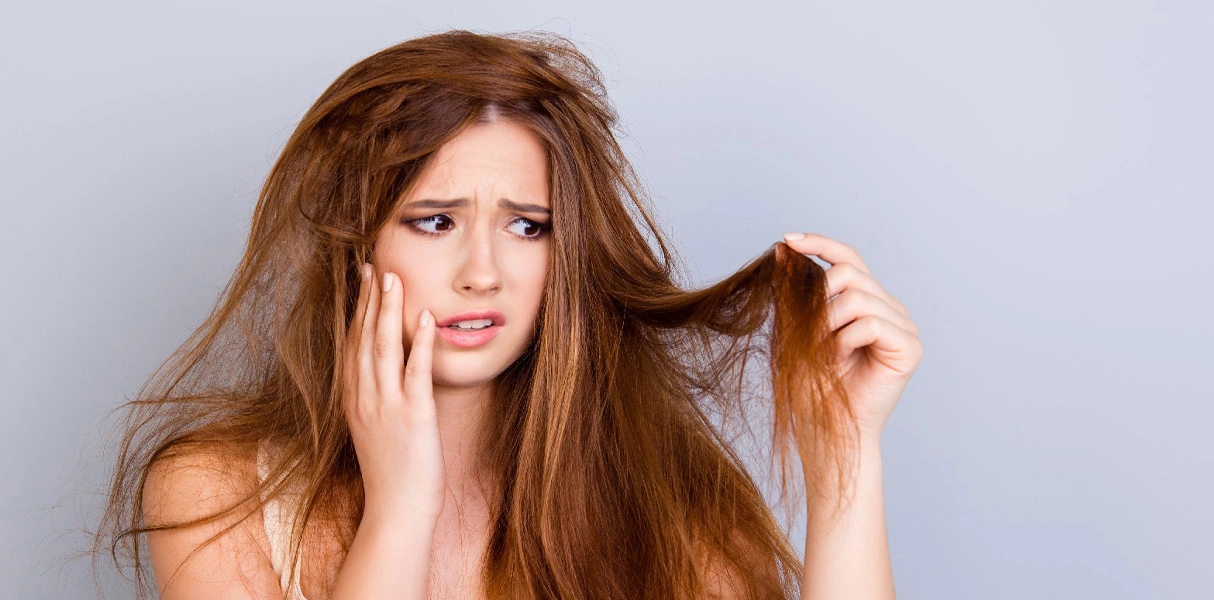 March 10, 2025 5 DIY Hair Masks for Dry Hair